Wild Files · Species File No. 15 · Tree
Western Hemlock
Tsuga heterophylla
Meet the Western Hemlock
Fact block — copy it for your StoryMap
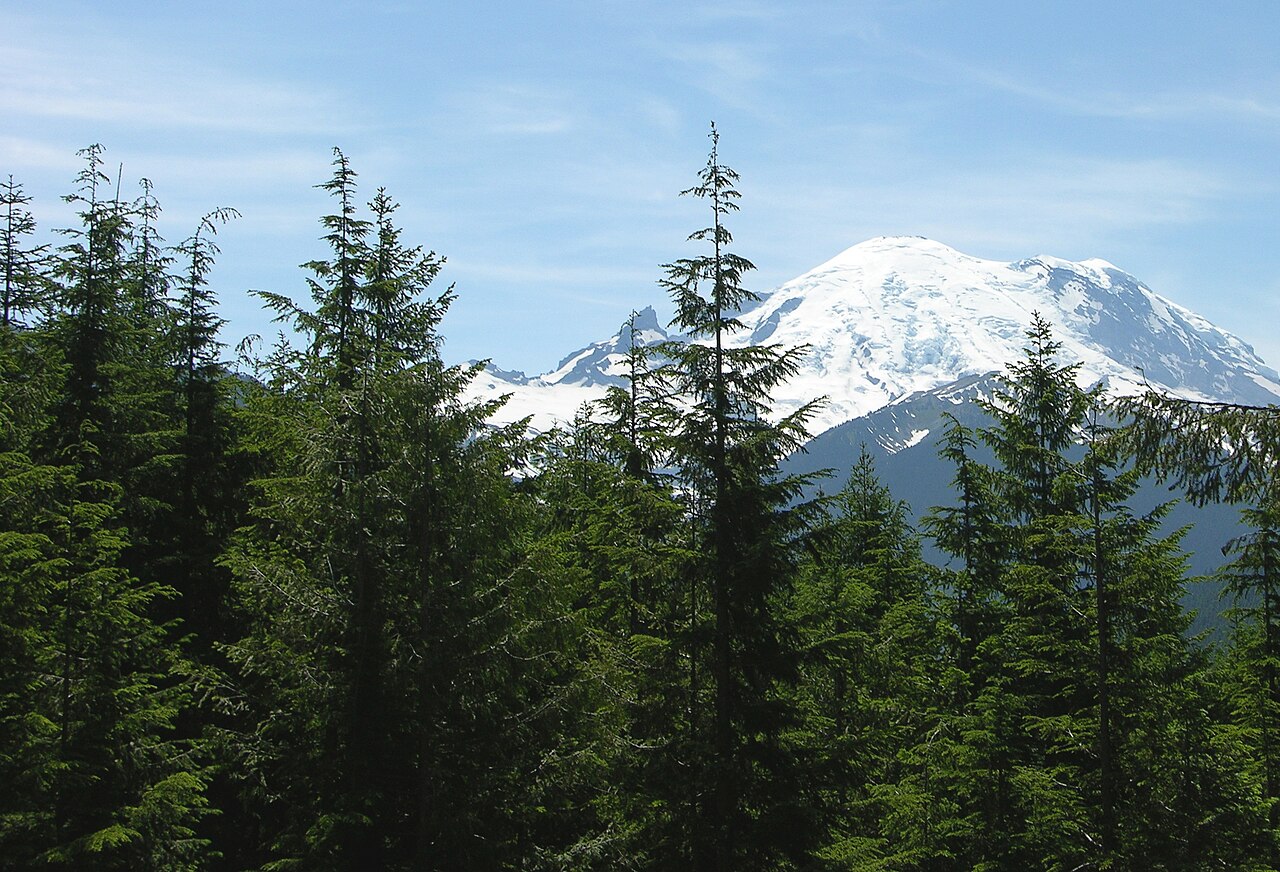
The western hemlock is a giant evergreen tree, and it has a secret way to spot it. Look at the very top. The tip droops over and nods to one side, like it is taking a little nap. Most big trees point their tops straight up, but not this one. Its needles grow in different lengths, short and long mixed together, and each needle has two pale white stripes on its underside. This tree is the official state tree of Washington.
The western hemlock is a large conifer, which means an evergreen tree that makes cones. It is the biggest of all the hemlock species and can grow about 50 to 70 meters (160 to 230 feet) tall. Its easiest clue is the droopy leading shoot, the tip at the very top that bends and nods over instead of standing upright. Its flat needles come in a mix of lengths, roughly 5 to 25 millimeters, and each one shows two white bands underneath. The cones are small, only an inch or so long. Fittingly for such a Northwest icon, it is the state tree of Washington.
Where It Lives
Fact block — copy it for your StoryMap
Western hemlock loves cool, wet, foggy places, so the Hoh Rain Forest in Olympic National Park is a perfect home. It grows in a long strip along the Pacific coast, from Alaska all the way down to northern California. It usually stays close to the ocean, within about 100 kilometers (62 miles), from sea level up the mountainsides. Here is the strangest part: baby hemlocks often sprout on top of fallen, rotting logs. A log like that is called a nurse log because it helps young trees grow.
This tree thrives in the mild, humid, foggy weather of the Pacific Northwest, which makes the Hoh Rain Forest in Olympic National Park an ideal home. Its range stretches along the coast from the Kenai Peninsula in Alaska south to northern California, usually within about 100 kilometers of the ocean and from sea level up to around 600 meters in elevation. One of its most amazing habits is growing on decaying wood. Seeds land on fallen, rotting trunks called nurse logs and sprout there with less competition, which is why you often see a straight row of hemlocks marking where an old log once lay.
Its Job in the Forest
Fact block — copy it for your StoryMap
Western hemlock is a shade-tolerant tree, which means it can grow in dim light under taller trees. Young hemlocks wait patiently in the shadows for years. When a big tree falls and lets in sunlight, they shoot up and take its place. That is why hemlock often becomes a leader of the old forest. Animals depend on it too. Roosevelt elk and black-tailed deer nibble its leaves, and snowshoe hares snip off little seedlings. Without it, the deep, shady rainforest would be a very different place.
Western hemlock is one of the most shade-tolerant trees in the forest, meaning it can survive in low light beneath taller neighbors. Its seedlings grow up slowly under the canopy and can wait for decades, ready to seize a gap whenever an old tree falls and opens a patch of sky. Because of this patience, hemlock often becomes a dominant tree in mature, climax forests. It also feeds the food web. Roosevelt elk, black-tailed deer, and other animals browse its foliage, while snowshoe hares clip off young stems. Western hemlock forests are among the most productive in the world, building the shady, layered habitat that countless rainforest creatures rely on.
Fast Facts
Fact block — copy it for your StoryMap
- Scientific name: Tsuga heterophylla
- Height: about 50 to 70 meters (160 to 230 feet) tall, the largest hemlock
- Spot it by: the drooping, nodding tip at the top of the tree
- Home: the cool, foggy Pacific coast from Alaska to northern California
- State tree: the official state tree of Washington
- Lifespan: usually up to about 400 to 500 years, with some over 1,200 years old
Where these facts come from
USDA Forest Service · Wikipedia · iNaturalist — real photos & sightings