Wild Files · Species File No. 23 · Fern
Lady Fern
Athyrium filix-femina
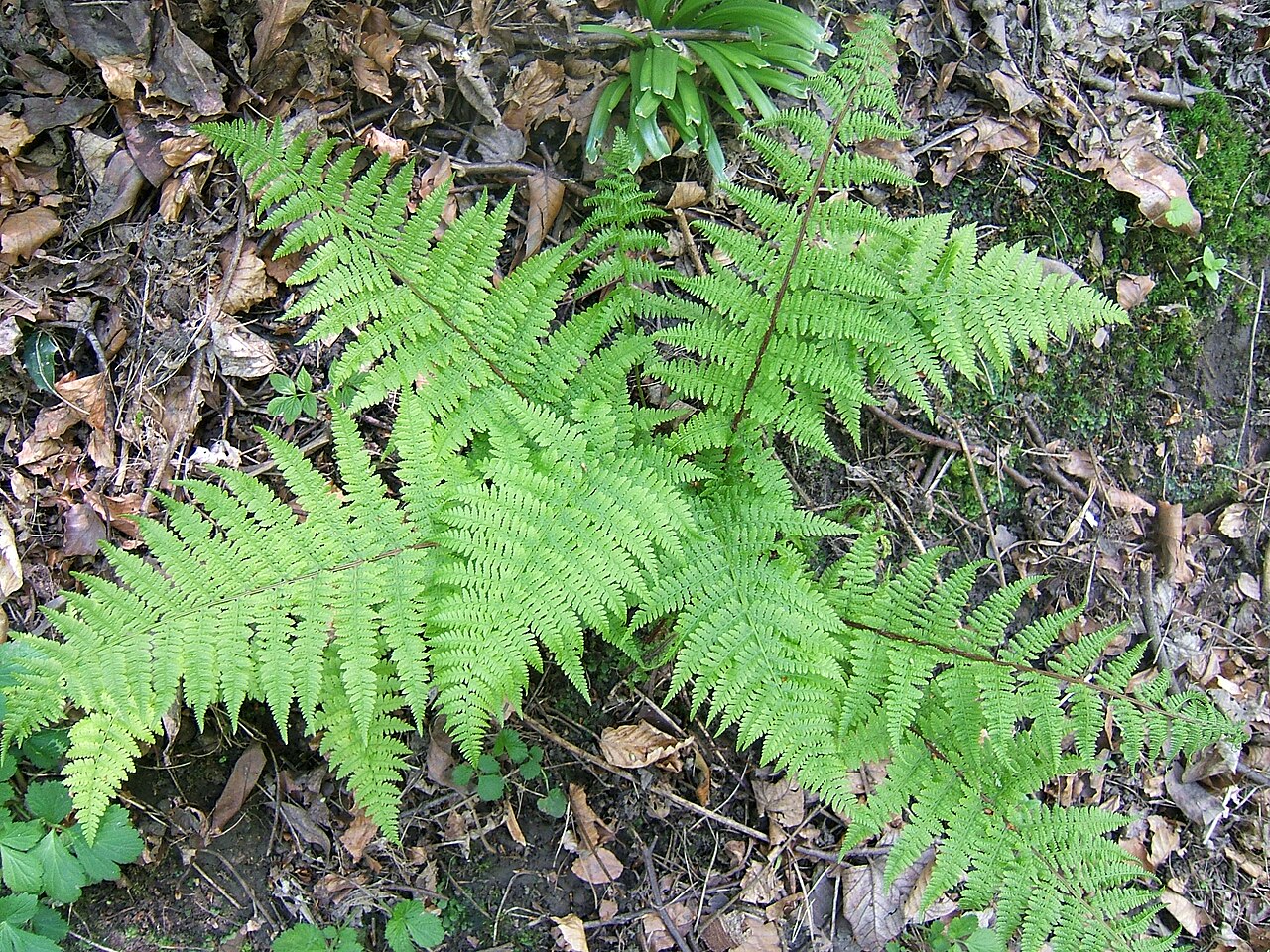
Meet the Lady Fern
Fact block — copy it for your StoryMap
The lady fern is a tall plant with leaves so thin and feathery they look like green lace. Each leaf is called a frond, and the whole plant can grow from 2 to 5 feet tall. The fronds are bright green, and the stalk that holds them up can be green, purple, or red. The lady fern is deciduous, which means it drops its leaves when cold weather comes. Ferns do not make flowers or seeds.
The lady fern is a large, feathery fern with light yellow-green fronds, the leaf-like blades that fan out from the plant. A single frond can stretch up to 3 feet long, and the whole plant often reaches 2 to 5 feet tall. The stalks may be green, purple, or red. Its fronds are deeply divided into smaller and smaller leaflets, which gives the plant its delicate, lacy look. Unlike most plants, ferns make no flowers or seeds. The lady fern is also deciduous, so it drops its leaves after the first frost and grows fresh ones in spring.
Where It Lives
Fact block — copy it for your StoryMap
You can find lady ferns in cool, shady, wet places all across the United States. This fern likes moist ground, which means damp or wet soil. It grows in shady woods, in wet meadows, and along the edges of streams. It does best in rich soil with shade or only a little sun. The lady fern grows from low ground up to the middle heights of mountains.
The lady fern is native across the continental United States and Alaska, and it feels right at home in damp, shady forests. It grows in moist woods, wet meadows, swamps, and along streams, from low ground up to mid-elevations on mountain slopes. This fern prefers full or partial shade and rich, moist soil, so damp, shady lowland forests are an ideal home. Too much hot sun would dry it out, but the cool, wet shade of these woods keeps its lacy fronds healthy.
Its Job in the Forest
Fact block — copy it for your StoryMap
The lady fern helps cover the forest floor with green leaves, like a living carpet. It spreads in two ways. It grows underground stems called rhizomes that spread slowly, and it drops tiny dust-like spores from the bottoms of its fronds. New ferns grow from these spores instead of from seeds. People can eat the young curled-up fronds and the rhizomes after cooking them. Native Americans cook and eat both parts.
Lady ferns are an important part of the forest understory, the layer of plants that grows close to the ground. They spread slowly by underground stems called rhizomes and by releasing spores, tiny dust-like cells that form in little dots on the undersides of the fronds. Where spores land in damp soil, brand-new ferns can grow. Over time the plants form leafy clumps that shade and cover bare ground. People can eat the young fiddleheads and rhizomes after cooking, and Native Americans cook both. Plants like this help knit the moist forest floor together.
Fast Facts
Fact block — copy it for your StoryMap
- Scientific name: Athyrium filix-femina
- Height: about 2 to 5 feet tall
- Leaves: lacy, bright green fronds that drop each fall (deciduous)
- Home: moist woods, meadows, and streamsides, from lowlands to mid-elevations
- How it grows: spreads by spores and underground rhizomes, not seeds
- Conservation status: Secure (NatureServe)
Where these facts come from
USDA Forest Service · Wikipedia · iNaturalist — real photos & sightings