Wild Files · Species File No. 24 · Moss
Cat-tail Moss
Isothecium myosuroides
Meet the Cat-tail Moss
Fact block — copy it for your StoryMap
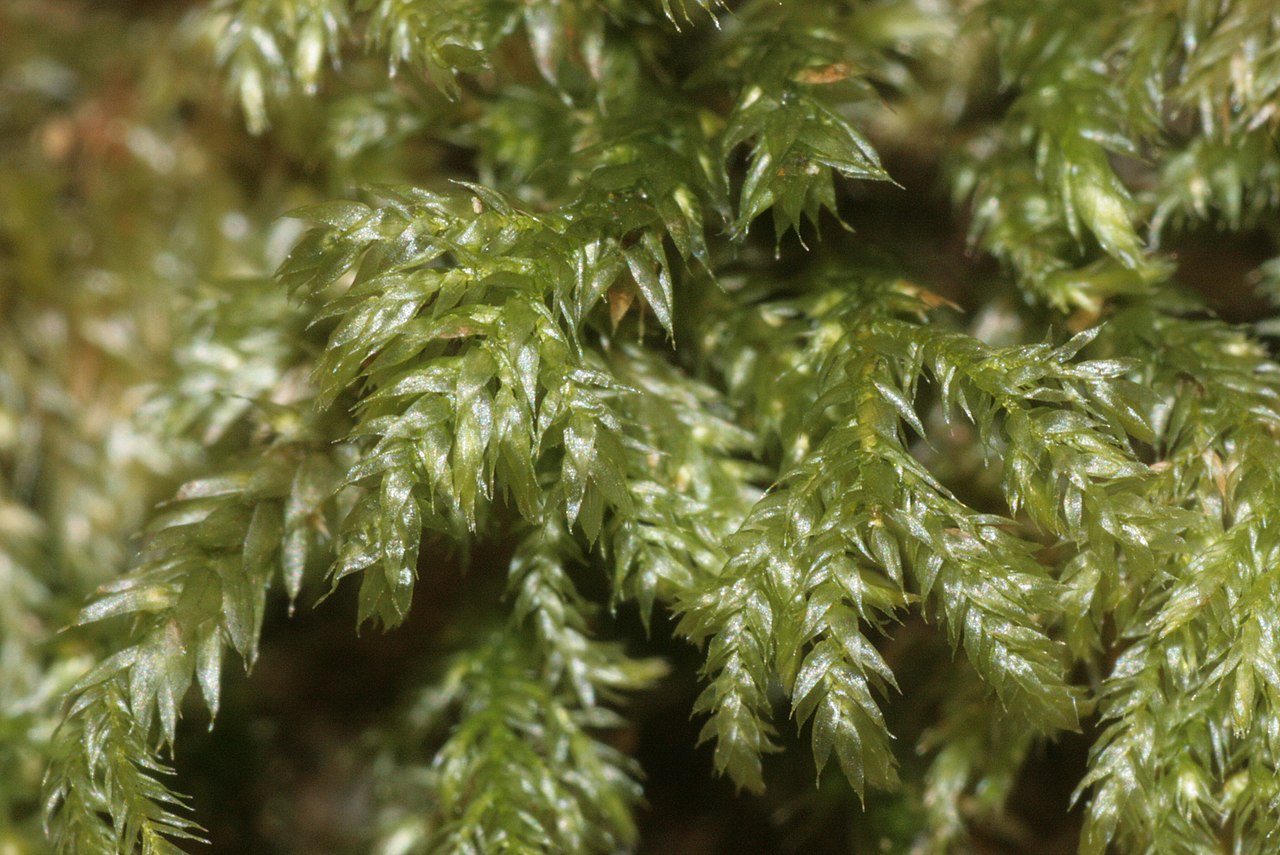
Cat-tail moss is a small green plant called a moss, which means it has no flowers and makes no seeds. It grows in long, soft strands. People also call it slender mouse-tail moss or tree moss because the strands look a little like skinny tails. Look closely and you can see it grows on rocks and on trees, holding tight without any roots in the soil.
Cat-tail moss is a bryophyte, a kind of plant that reproduces with tiny spores instead of flowers or seeds. It grows in slender strands that earned it the names slender mouse-tail moss and tree moss. Instead of pulling water and food from soil through roots, this moss clings to surfaces and soaks up moisture straight from the damp air and rain. You will find it growing abundantly on both rocks and trees throughout the forest.
Where It Lives
Fact block — copy it for your StoryMap
Cat-tail moss lives in cool, wet forests like the rainforests of the Pacific Northwest. It is native to western and eastern North America and parts of western Europe. The moss often grows on flowering trees, called angiosperms, more than on cone-bearing trees like firs. Why? Flowering trees stay moist and are less acidic, which makes a better home for the moss. In a wet rainforest like this, clumps of this moss can fall from high in the canopy down to the forest floor.
This moss thrives in the cool, humid temperate rainforests of the Pacific Northwest. It is native to both western and eastern North America and to parts of western Europe. Cat-tail moss grows preferentially on angiosperms (flowering trees) rather than on conifers, because flowering trees take in water in a way that keeps the bark moist and because many of them are less acidic than cone-bearing trees. High in the canopy, clumps of moss, lichen, and fern sometimes break loose and tumble down to the forest floor.
Its Job in the Rainforest
Fact block — copy it for your StoryMap
Cat-tail moss helps build the rainforest. When clumps of it fall from the trees, they add to the soft litter layer on the forest floor, which is the pile of leaves, moss, and bits of plants that slowly break down into soil. Mosses like this one also soak up rain and hold water like a sponge, keeping the forest damp. Without mosses, the rainforest would dry out faster and lose some of the green that makes it special.
Cat-tail moss is a quiet builder of the rainforest. As clumps drop from the canopy, they pile into the organic litter layer on the forest floor, the spongy blanket of plant material that decomposes into rich soil over time. Carpets of moss like this also act like sponges, holding rainwater and releasing it slowly, which helps keep the whole forest humid for the ferns, insects, and other living things that depend on moisture. Remove the mosses, and the forest would dry and warm more quickly, changing the cool, wet conditions that define a temperate rainforest.
Fast Facts
Fact block — copy it for your StoryMap
- Scientific name: Isothecium myosuroides
- Other names: slender mouse-tail moss, tree moss
- Type: a moss (a bryophyte that makes spores, not seeds)
- Grows on: rocks and trees, especially flowering trees
- Where: western and eastern North America and parts of western Europe
- Cool trait: falls from the treetops in clumps to help build the forest floor
Where these facts come from
USDA Forest Service · Wikipedia · iNaturalist — real photos & sightings