Wild Files: El Yunque · Species File No. 20 · Moss
Cloud-forest Mosses
Sphagnum / Bryophyta spp.
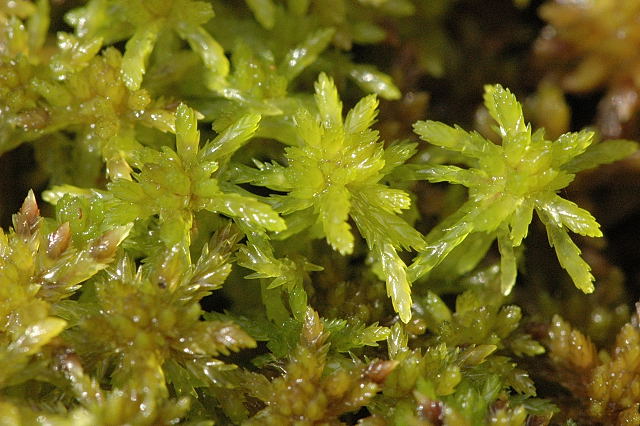
Meet the Cloud-forest Mosses
Fact block — copy it for your StoryMap
Mosses are tiny green plants without flowers, roots, or seeds. One famous group is Sphagnum, also called peat moss or bog moss. Up on cool, foggy mountain peaks, mosses grow in thick, soft, wet carpets that cover the ground and trees. A moss plant is just a little stem with crowded leafy branches, so a whole patch looks like a fuzzy green cushion. Touch one and it feels like a damp, springy sponge.
Mosses are small green plants called bryophytes, which means they have no flowers, no seeds, and no true roots. One well-known group is Sphagnum, the peat or bog mosses, with roughly 380 species worldwide. In cool, mist-soaked mountains they form thick, wet carpets across the soil and over branches. Each plant is a slender stem topped with tightly packed clusters of branches, giving the whole patch a soft, tufted look. Their real superpower is water: Sphagnum plants can hold 16 to 26 times their dry weight in water, soaking it up like a living sponge.
Where It Lives
Fact block — copy it for your StoryMap
Most peat mosses live in cool, wet places in the far north, like bogs and pine forests. But mosses also grow in mountains in warmer parts of the world. The thickest, wettest carpets sit high on cloudy peaks where fog rolls through almost every day. That constant mist keeps everything damp, which is exactly what a moss loves. The cooler and foggier the mountaintop, the happier these spongy green plants are.
Sphagnum mosses are most common in the cool Northern Hemisphere, where they fill peat bogs, conifer forests, and tundra, but some species also live in subtropical mountains, such as the highlands of Brazil. What ties their homes together is dampness: mosses thrive where water lingers. On tall, cloud-wrapped peaks, fog drifts through the trees nearly every day, coating bark and soil in moisture. That endless mist is why the highest, mistiest ridges grow the deepest, wettest moss carpets, while drier, sunnier spots far below stay too parched for them to spread.
Why Mosses Matter
Fact block — copy it for your StoryMap
Mosses are like living sponges for the forest. They soak up rain and fog, then let the water out slowly, which helps keep the mountain damp. As old moss slowly piles up, it turns into peat, a spongy brown layer that locks away carbon and helps cool the planet. Moss carpets also make cozy, wet homes for tiny creatures. To make new plants, mosses fire off dust-like spores that blow away on the wind to start fresh patches.
Mosses act as the forest's water keepers. Their spongy carpets drink in rain and fog, then release it gradually, helping the whole mountain stay moist. Over many years, dead Sphagnum breaks down very slowly, partly because of natural chemicals in its cell walls, and builds up into peat, a thick layer that stores huge amounts of carbon and helps slow climate change. These wet mats are also habitat builders, creating damp, sheltered living space for small organisms. Mosses reproduce with spores instead of seeds, launching them into the air with surprising force so the wind can carry them off to grow brand-new green cushions elsewhere.
Fast Facts
Fact block — copy it for your StoryMap
- Type: mosses, a kind of bryophyte (no flowers, seeds, or true roots)
- Well-known group: Sphagnum, called peat moss or bog moss
- Species: about 380 kinds of Sphagnum worldwide
- Super sponge: can hold 16 to 26 times its dry weight in water
- Makes peat: dead moss piles up slowly and stores carbon
- Spreads by: spores carried on the wind, not seeds
Where these facts come from
USDA Plants Database · Wikipedia · iNaturalist — real photos & sightings